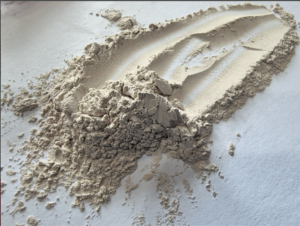
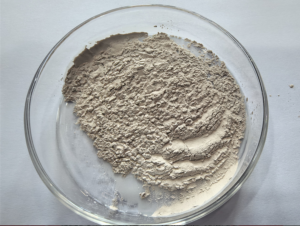
Difference between PWA Polishing Powder and WA Polishing Powder
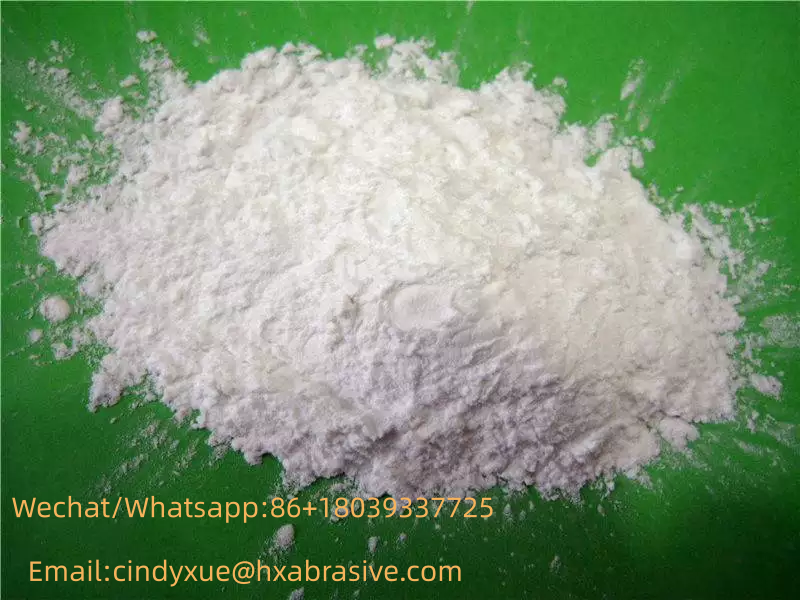
PWA and WA are two classic alumina polishing abrasives, widely used in precision lapping, semiconductor wafer polishing and optical processing. They differ fundamentally in manufacturing craft, particle morphology, purity, polishing mechanism and applicable scenarios, as detailed below.
1. Full Name & Production Process
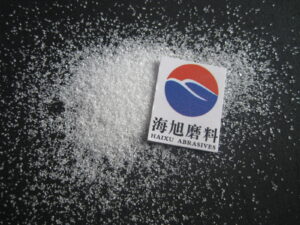
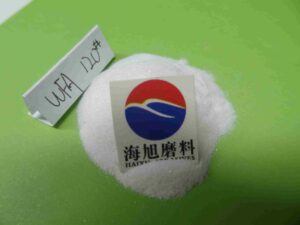
WA stands for White Fused Alumina. It is produced by melting bauxite at over 2200℃ in an electric arc furnace, then crushing, grinding and classifying the cooled fused corundum blocks into micro powder.
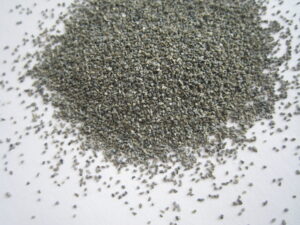
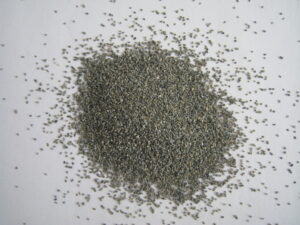
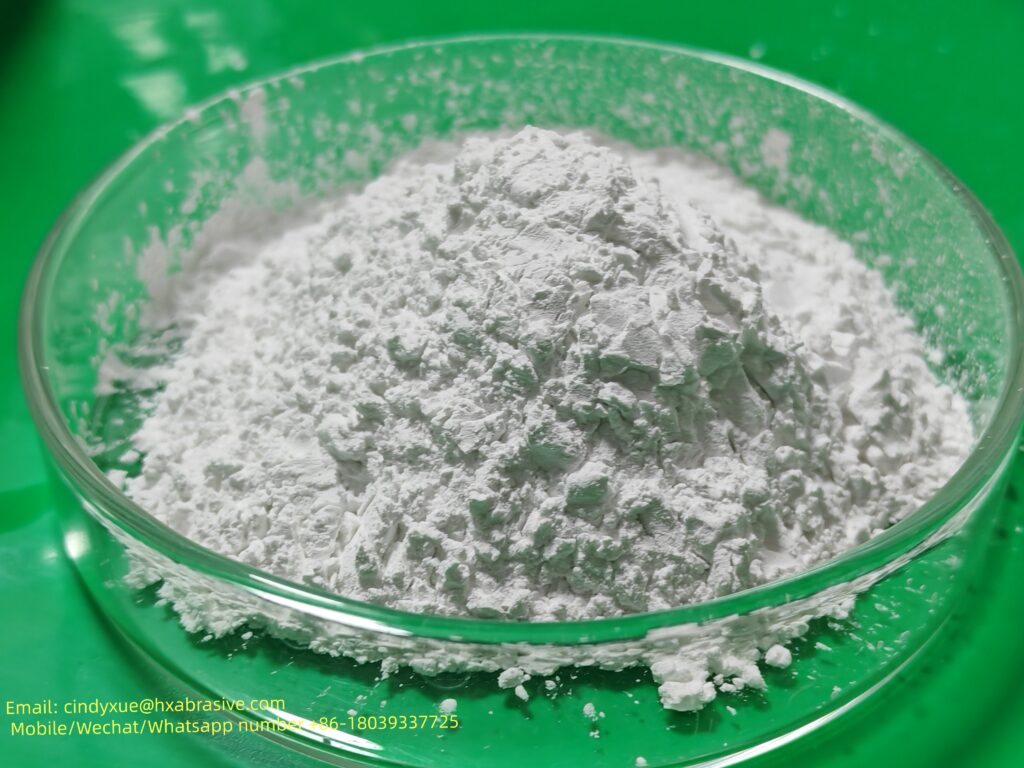
PWA refers to Platelet Calcined Alumina. It adopts directional low-temperature calcination technology at 1300℃ without electric melting, controlling crystal growth to form regular flat hexagonal platelets, followed by washing and precise grading to obtain finished powder.
2. Particle Shape & Purity
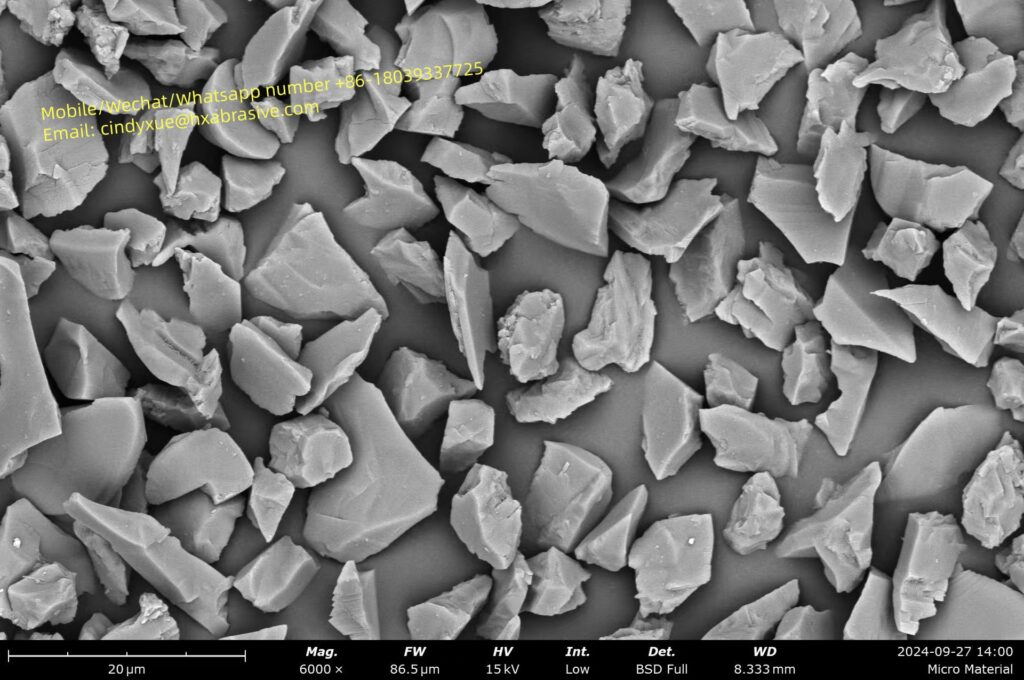
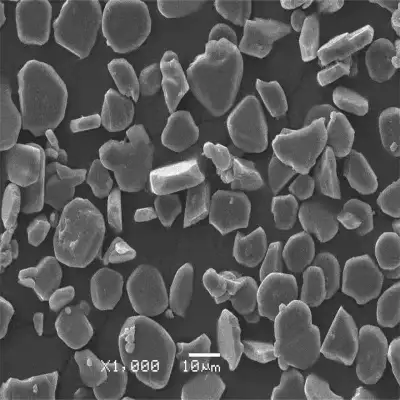
WA particles are irregular fragmented polyhedrons with sharp cutting edges. Its Al₂O₃ purity is ≥96.0%, containing slightly more trace impurities like iron and silicon.
PWA features smooth, edgeless tabular crystals with high aspect ratio. Its alumina purity exceeds 99.0%, with strictly controlled heavy metal impurities, meeting ultra-clean semiconductor manufacturing standards.
3. Polishing Performance
WA relies on sharp edges for mechanical cutting, delivering high material removal rate. However, its rigid cutting force easily causes micro-scratches, subsurface lattice damage and residual stress on fragile substrates such as InP, GaAs and thin silicon wafers. It is suitable for heavy stock removal rough grinding where surface finish is not prioritized.
PWA flat particles cling tightly to workpiece surfaces and remove materials via uniform sliding friction instead of sharp cutting. It minimizes scratches and subsurface damage, delivering ultra-smooth fog-free mirror surfaces with excellent global flatness. It balances moderate removal efficiency and ultra-precise surface quality, ideal for compound semiconductor CMP fine polishing.
4. Chemical Stability & Application Range
Both share Mohs hardness 9.0 and stable α-alumina phase, but PWA boasts stronger acid & alkali resistance and better dispersion in polishing slurries without agglomeration.
WA is mainly used for metal rough grinding, general glass coarse lapping and low-demand hardware polishing.
PWA targets high-end fields: III-V semiconductor wafer polishing, optical crystal finishing, 3D curved glass post-CMP fine trimming, and high-purity functional filler for thermal insulation coatings, acting as a premium substitute for imported high-precision polishing media.