
Hollow glass microspheres for thermal insulation putty and coatings
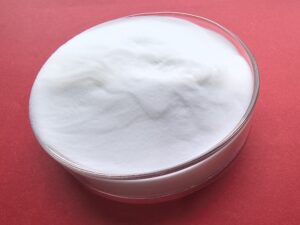
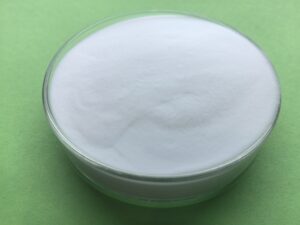
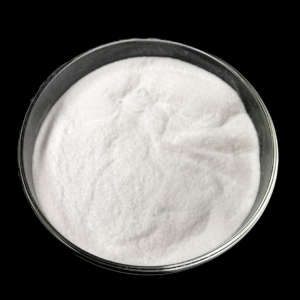
Hollow Glass Microspheres designed specifically for thermal insulation putty and coatings is now available, offering manufacturers a high-performance solution to meet growing demands for energy efficiency and lightweight construction.
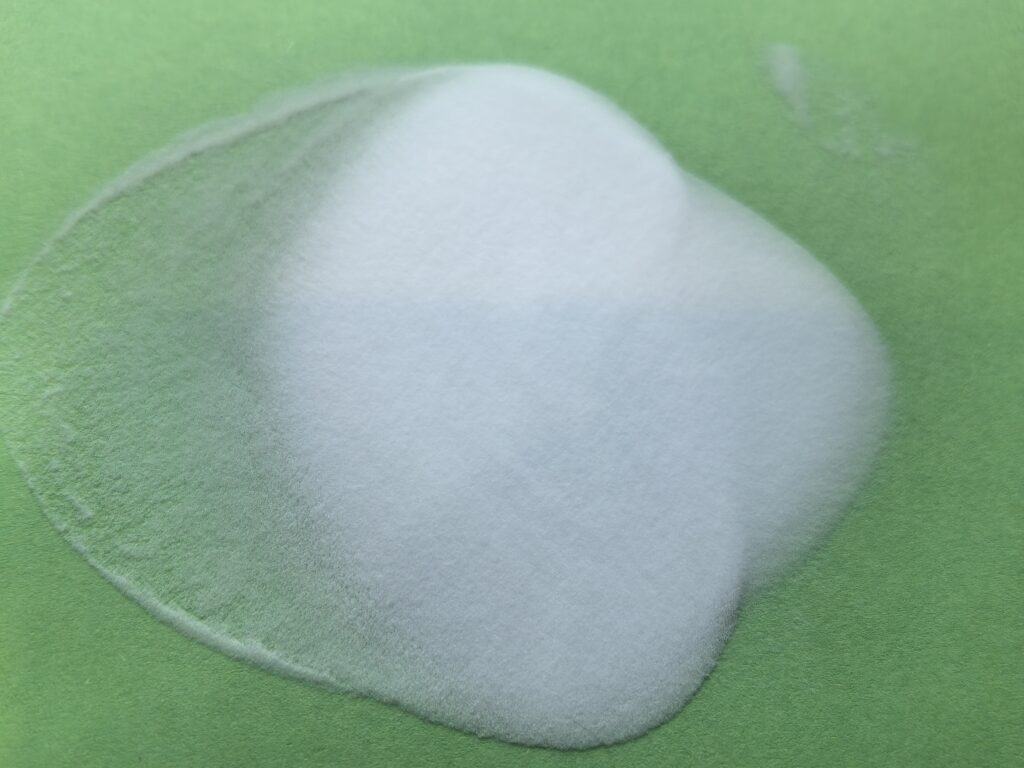
These engineered microspheres are ultra-lightweight, low-alkali, hollow spherical glass powders characterized by their high compressive strength, low thermal conductivity, and excellent flowability. When incorporated into insulation putties or thermal barrier coatings, they significantly reduce the material’s overall density while enhancing its thermal insulation properties.
The unique spherical structure of these microspheres enables superior dispersion within organic and inorganic binders, resulting in a smoother application and a more uniform coating surface. With true density ranging from 0.12 to 0.60 g/cm³ and particle sizes customizable from 15 to 120 microns, they allow formulators to fine-tune the balance between thermal performance, mechanical strength, and application thickness.
Key benefits include:
-
Low Thermal Conductivity: Achieves thermal conductivity as low as 0.03–0.05 W/(m·K), effectively reducing heat transfer.
-
High Strength-to-Weight Ratio: Reduces overall coating weight by 20–40% compared to conventional fillers without compromising durability.
-
Excellent Processability: Compatible with various resin systems, including acrylics, epoxies, and silicones, for versatile application scenarios.
-
Durability: Chemically inert, corrosion-resistant, and stable over a wide temperature range, ensuring long-term performance.
Ideal for building exterior wall insulation coatings, industrial pipe insulation putty, and specialty thermal barrier coatings for aerospace and automotive applications, these hollow glass microspheres represent a reliable choice for manufacturers seeking to develop next-generation thermal management materials.
With customizable specifications and consistent quality, this product provides an efficient path to achieving both energy savings and operational reliability.